Best Place for Vein Treatment in New York: Top Clinics and Vein Specialists
If you have noticed spider veins spreading across your legs or felt that persistent heaviness that lingers long after a workday ends, you are not alone. These symptoms often point to chronic venous insufficiency, a condition where blood does not flow properly through the leg veins. CVI affects somewhere between 10% and 35% of adults, though most do not connect their symptoms to their veins until a specialist points it out. Without evaluation, the condition can progress from mild discomfort to swelling, skin changes, and in some cases, ulcers.
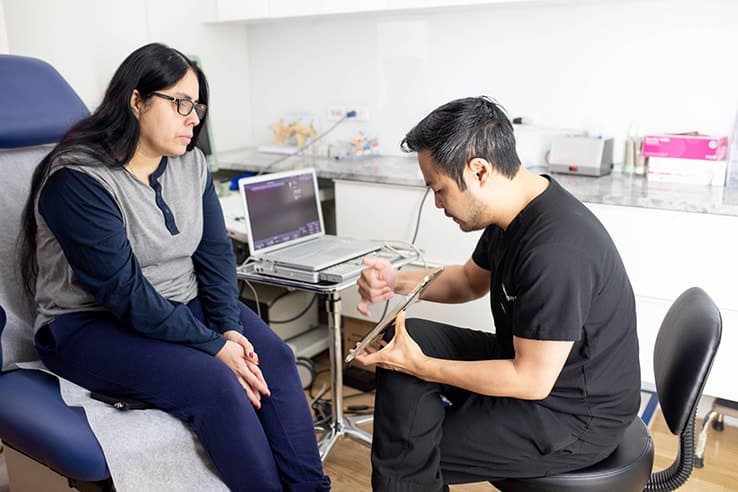
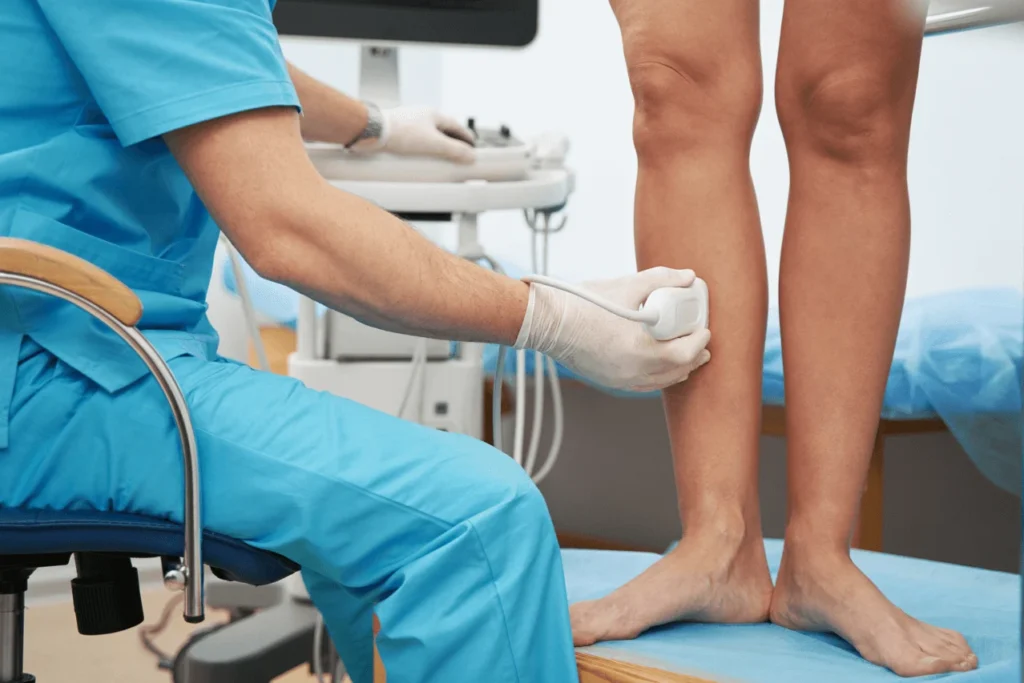
At Vein Treatment NYC, every patient receives a thorough evaluation that starts with a duplex ultrasound to visualize blood flow and identify any underlying venous issues. The clinic offers minimally invasive treatments including sclerotherapy, radiofrequency ablation, endovenous laser ablation, VenaSeal, and ClariVein. With locations throughout the New York metropolitan area, patients can access care without traveling far from home or work.
What Is Chronic Venous Insufficiency and When Should You Seek Treatment?
Chronic venous insufficiency occurs when the one-way valves in your leg veins weaken or fail, allowing blood to pool instead of returning to the heart. The condition is deceptively common, and here is something worth knowing: most people who have it do not realize the connection between their symptoms and their veins. They blame their tired legs on aging, their job, their weight, or just being out of shape.
Common symptoms that may indicate venous insufficiency include:
- Leg heaviness, especially later in the day or after standing
- Swelling in the ankles or lower legs that improves overnight
- Aching, burning, or throbbing sensations in the legs
- Visible varicose or spider veins
- Skin changes or discoloration near the ankles
- Restless legs or nighttime cramping
Here is a truth bomb: compression stockings often provide relief for these symptoms, and that improvement itself suggests venous involvement. When compression helps your legs feel better, it is doing the job that weakened valves should be doing. The stockings compensate for the problem, but they do not fix it. About 30% of patients evaluated at vein clinics manage well with compression and lifestyle changes alone. For others, treatment may offer longer-lasting relief.
Where Can You Find Vein Clinics in New York?
Vein Treatment NYC operates multiple locations throughout the New York metropolitan area. Each clinic offers the same standard of care, advanced diagnostic equipment, and minimally invasive treatment options. Procedures are performed in-office under local anesthesia, typically take 30 minutes or less, and allow patients to return to normal activities the same day.
Midtown Manhattan
290 Madison Ave, Suite 202, New York, NY 10017
Located across from Grand Central Station and near Bryant Park. Accessible via the 4, 5, 6, 7, and S subway lines. About six blocks from the Empire State Building, making it convenient for Midtown commuters.
Financial District
156 William St, Suite 302, New York, NY 10038
Near the South Street Seaport in Lower Manhattan. A 5-minute walk southeast from Fulton Street Station, served by the 2, 3, 4, 5, A, C, J, and Z subway lines. FiDi professionals can stop in during the workday and return to the office afterward.
Upper East Side
1111 Park Avenue, Suite 1B, New York, NY 10128
A quiet location near cultural landmarks including The Jewish Museum and the Solomon R. Guggenheim Museum. This clinic offers a boutique-style setting for patients who prefer a more private atmosphere.
Downtown Brooklyn
188 Montague St, 10th Floor, Brooklyn, NY 11201
Steps from the Court St to Borough Hall subway station. Serves neighborhoods including Park Slope, Cobble Hill, Bay Ridge, and surrounding Brooklyn communities.
Brighton Beach
23 Brighton 11th St, 7th Floor, Brooklyn, NY 11235
Near Coney Island, Manhattan Beach, and Sheepshead Bay. Take the B or Q train to Brighton Beach station for easy access from South Brooklyn.
Forest Hills, Queens
107-30 71st Rd, Queens, NY 11375
Across from Forest Hills Stadium. From Manhattan, take the E, F, M, or R train to 71st-Continental Ave/Forest Hills Station. Exit onto Queens Boulevard, walk south toward 71st Ave, then turn right onto 71st Road.
Bronx
2100 Bartow Ave, Suite 400, Bronx, NY 10475
In the Co-op City area near Bay Plaza Shopping Center. Accessible by car via I-95 N or by the Bx23 and Q50 buses along Bartow Ave. Near Pelham Bay Park and the Co-op City Little League Field.
Staten Island
Serving residents of Staten Island with the same minimally invasive treatment options available at all Vein Treatment NYC locations.
Long Island Locations
Vein Treatment NYC also operates clinics in Jericho, West Islip, and Port Jefferson, providing convenient access for Long Island residents.
Where Can You Find Vein Clinics in New York?
Vein Treatment NYC operates multiple locations throughout the New York metropolitan area. Each clinic offers the same standard of care, advanced diagnostic equipment, and minimally invasive treatment options. Procedures are performed in-office under local anesthesia, typically take 30 minutes or less, and allow patients to return to normal activities the same day.
Midtown Manhattan
290 Madison Ave, Suite 202, New York, NY 10017
Located across from Grand Central Station and near Bryant Park. Accessible via the 4, 5, 6, 7, and S subway lines. About six blocks from the Empire State Building, making it convenient for Midtown commuters.
Financial District
156 William St, Suite 302, New York, NY 10038
Near the South Street Seaport in Lower Manhattan. A 5-minute walk southeast from Fulton Street Station, served by the 2, 3, 4, 5, A, C, J, and Z subway lines. FiDi professionals can stop in during the workday and return to the office afterward.
Upper East Side
1111 Park Avenue, Suite 1B, New York, NY 10128
A quiet location near cultural landmarks including The Jewish Museum and the Solomon R. Guggenheim Museum. This clinic offers a boutique-style setting for patients who prefer a more private atmosphere.
Downtown Brooklyn
188 Montague St, 10th Floor, Brooklyn, NY 11201
Steps from the Court St to Borough Hall subway station. Serves neighborhoods including Park Slope, Cobble Hill, Bay Ridge, and surrounding Brooklyn communities.
Brighton Beach
23 Brighton 11th St, 7th Floor, Brooklyn, NY 11235
Near Coney Island, Manhattan Beach, and Sheepshead Bay. Take the B or Q train to Brighton Beach station for easy access from South Brooklyn.
Forest Hills, Queens
107-30 71st Rd, Queens, NY 11375
Across from Forest Hills Stadium. From Manhattan, take the E, F, M, or R train to 71st-Continental Ave/Forest Hills Station. Exit onto Queens Boulevard, walk south toward 71st Ave, then turn right onto 71st Road.
Bronx
2100 Bartow Ave, Suite 400, Bronx, NY 10475
In the Co-op City area near Bay Plaza Shopping Center. Accessible by car via I-95 N or by the Bx23 and Q50 buses along Bartow Ave. Near Pelham Bay Park and the Co-op City Little League Field.
Staten Island
Serving residents of Staten Island with the same minimally invasive treatment options available at all Vein Treatment NYC locations.
Long Island Locations
Vein Treatment NYC also operates clinics in Jericho, West Islip, and Port Jefferson, providing convenient access for Long Island residents.
Who Are the Vein Specialists at Vein Treatment NYC?
All physicians at Vein Treatment NYC are board-certified and have completed advanced training in venous medicine and minimally invasive procedures. Here are some of the specialists you may see:
Dr. Juan Montoya
Dr. Montoya is a Yale-trained, double board-certified vascular surgeon who specializes in endovenous ablation, sclerotherapy, and VenaSeal. Fluent in English and Spanish, he focuses on providing thorough evaluations, particularly for complex vein cases. He practices at the Midtown Manhattan location.
Dr. Jonathan Hemli
Dr. Hemli has advanced training in cardiothoracic surgery and venous medicine. He practices at multiple locations including Upper East Side, Midtown, Financial District, and Forest Hills.
Dr. Sareh Rajaee
Dr. Rajaee is a Yale-trained vascular surgeon with an MPH from Harvard. Board-certified in venous medicine, she takes a comprehensive approach focused on long-term vascular health and helps patients understand how lifestyle factors may affect their outcomes.
Dr. Laura Lombardi
Dr. Lombardi completed her residency at Columbia-NewYork Presbyterian and a fellowship in interventional pain management at Harvard. Known for clear communication, she takes time to explain treatment options and what patients can realistically expect. She practices at Hartsdale and Westchester locations.
Dr. Zalekha Shair
Dr. Shair is a board-certified surgeon fluent in Spanish and Persian. She provides care for patients from diverse backgrounds and focuses on making the treatment process accessible.
Dr. Kyle Mele
Dr. Mele practices at Staten Island, Financial District, and Downtown Brooklyn, providing minimally invasive vein treatments to patients across multiple boroughs.
What Treatment Options Are Available for Vein Disease?
Modern vein treatment has evolved significantly from the vein stripping procedures of decades past. Today's procedures are minimally invasive, performed under local anesthesia, and typically allow patients to walk out and resume normal activities the same day. Treatment options at Vein Treatment NYC include:
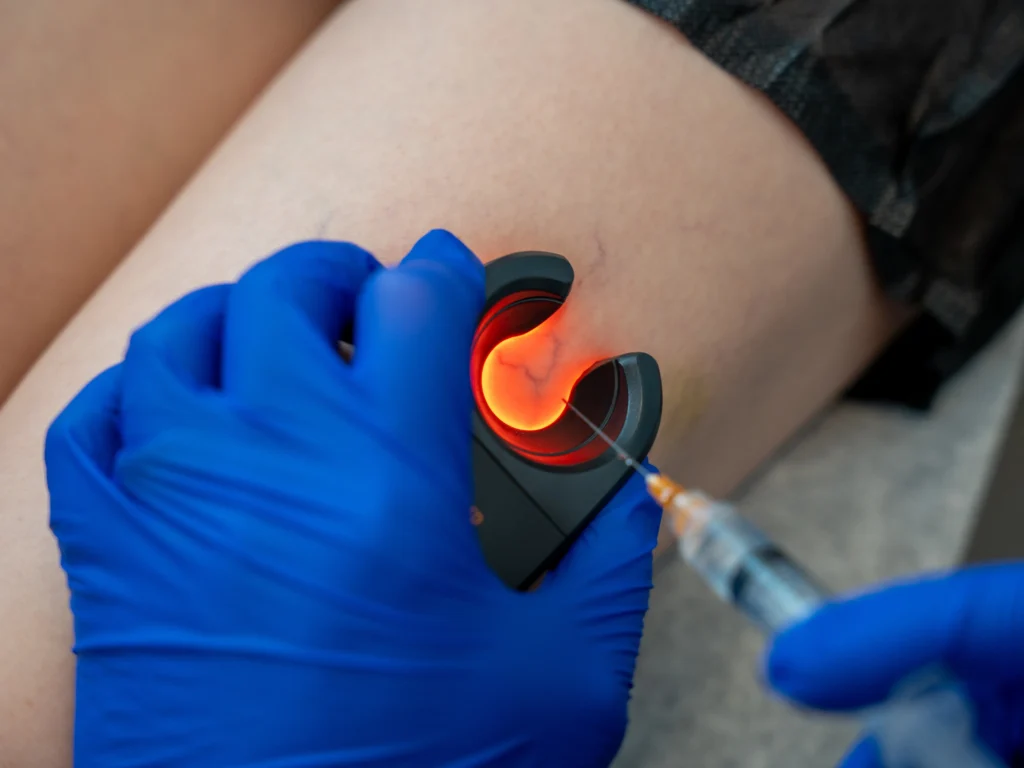
- Sclerotherapy: A solution is injected into spider veins or small varicose veins, causing them to collapse and fade over time. Most people need 2 to 4 sessions, spaced 4 to 6 weeks apart.
- Radiofrequency Ablation (RFA): Thermal energy closes malfunctioning veins from the inside, redirecting blood flow to healthier vessels. Success rates are approximately 95% to 98% at 5 years.
- Endovenous Laser Ablation (EVLA): Laser energy seals off problematic veins. Like RFA, this procedure typically takes less than an hour.
- VenaSeal: A medical adhesive closes affected veins without the need for tumescent anesthesia, which may appeal to patients who prefer fewer injections.
- ClariVein: A combination of mechanical and chemical methods treats larger varicose veins with reduced bruising compared to thermal options.
Your vein specialist will recommend the most appropriate treatment based on your duplex ultrasound results and individual health needs. One thing to be aware of: your leg may look worse before it looks better. Bruising is normal and can appear alarming, with purples, greens, and yellows tracking down the leg. This typically fades within 2 to 4 weeks.
How Long Does Recovery Take After Vein Treatment?
Recovery timelines vary depending on the procedure and individual factors, but here is what patients typically experience:
- Desk work: Most patients return within 24 to 48 hours
- Light activity: Walking is encouraged immediately and helps recovery
- Exercise: Typically resumed after about 1 week
- Compression stockings: Usually worn for 1 to 2 weeks post-procedure
The numbing injections before the procedure sting, like any shot, but there are several of them along the treatment area. Patients rate the procedure itself around 2 to 3 out of 10 for discomfort. Anyone who describes the process as completely painless is using a different definition than most patients would recognize.
What Results Can You Expect From Vein Treatment?
Treatment success rates for thermal ablation procedures like RFA and EVLA are approximately 95% to 98% at 5 years. This means 2% to 5% of treated veins may not close properly or may reopen, requiring retreatment. The treated veins themselves stay closed permanently, but you have thousands of veins, and the underlying tendency that caused the first problem does not disappear. About 15% to 20% of patients develop new problematic veins within 5 years. This is disease progression, not treatment failure.
Symptom relief often begins within days for heaviness and aching. Spider vein clearance takes longer, as the veins fade gradually over weeks to months. Individual results may vary, and your doctor will discuss what outcomes are reasonable during your consultation.
How Do You Schedule a Vein Consultation in New York?
If you have been experiencing symptoms of vein disease or are concerned about visible varicose or spider veins, scheduling a consultation is the first step toward understanding your options. At Vein Treatment NYC, you will receive a thorough evaluation including a duplex ultrasound to visualize blood flow, followed by a personalized discussion of whether treatment is appropriate for your situation.
Insurance verification is completed before your visit so you know what to expect regarding coverage. Whether you live in Manhattan, Brooklyn, Queens, the Bronx, Staten Island, or Long Island, there is a clinic nearby.
Ready to learn more about your vein treatment options?
Frequently Asked Questions
What Symptoms Indicate That You May Need Vein Treatment?
Common signs include leg heaviness, swelling, aching, burning, itching, or visible varicose and spider veins. These symptoms often worsen after prolonged standing or sitting. If compression stockings provide relief, that suggests venous involvement. A vein evaluation with duplex ultrasound can help determine whether treatment may be appropriate for your specific situation.
Are Vein Treatments Painful?
Treatments like radiofrequency ablation, sclerotherapy, and VenaSeal are performed under local anesthesia and typically take less than an hour. The numbing injections sting, but patients rate the procedure itself around 2 to 3 out of 10 for discomfort. Most patients walk out and return to normal activities the same day.
How Long Do Vein Treatment Results Last?
When the underlying cause is addressed through procedures like endovenous ablation, results are often long-lasting, with success rates of 95% to 98% at 5 years. However, new veins may develop over time due to genetics or lifestyle factors. About 15% to 20% of patients develop new problematic veins within 5 years. Routine follow-ups with your vein specialist can help address any new concerns.
Individual results may vary. Consult a qualified healthcare provider to determine if vein treatment is appropriate for your specific condition.